Ad-Dharm Movement in Punjab: Its Socio-Religious, Political and Cultural Impact and Its Relevance Today
SR Darapuri I.P.S.(Retd)
(Special on Centenary year 1926-2026)

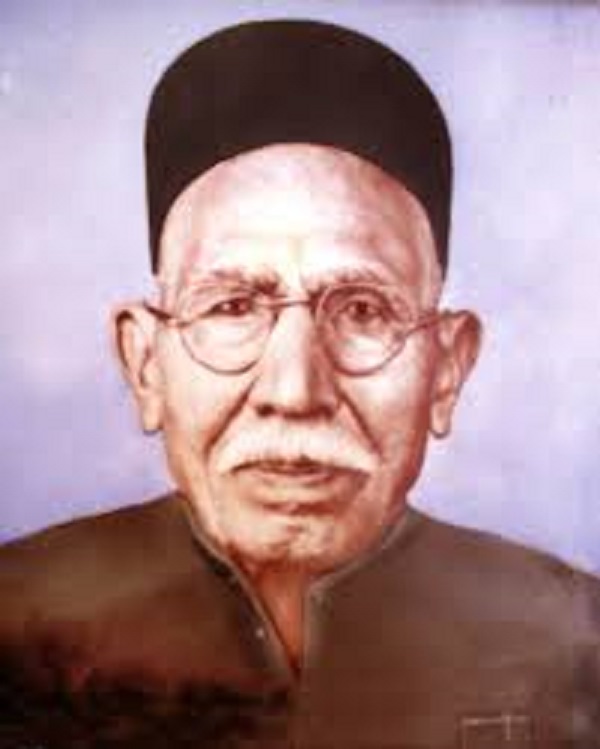
The Ad-Dharm Movement occupies a distinctive place in the social history of colonial Punjab as one of the earliest organized movements for the emancipation of the oppressed castes. Founded in 1926 under the leadership of Mangu Ram Mugowalia, the movement sought to challenge the deeply entrenched caste hierarchy and restore dignity, equality, and self-respect to Dalits. Unlike many contemporary reform movements that attempted to eradicate caste discrimination within existing religious frameworks, the Ad-Dharm Movement asserted a separate religious and cultural identity for the marginalized communities. It combined social reform, religious assertion, political mobilization, and cultural revival, making it one of the pioneering Dalit movements in northern India. Although its organizational strength declined after Independence, its ideals continue to influence contemporary debates on social justice, identity, and equality.
The movement emerged against the backdrop of widespread caste discrimination in colonial Punjab. Despite the egalitarian teachings of Sikhism and the reformist efforts of organizations such as the Arya Samaj, untouchability and social exclusion remained deeply embedded in everyday life. Dalits were denied access to temples, educational institutions, public wells, and many economic opportunities. They were largely confined to hereditary occupations and faced social humiliation. Influenced by anti-caste ideas and the growing political consciousness among marginalized communities, Mangu Ram Mugowalia founded the Ad-Dharm Movement in 1926 with the objective of creating an independent identity for the oppressed castes and enabling them to fight collectively for their rights.
The socio-religious impact of the Ad-Dharm Movement was profound. One of its greatest achievements was the assertion of a distinct religious identity. The movement rejected the notion that Dalits were merely the lowest section of Hindu society and instead described them as the original inhabitants or "Adi" people. It encouraged members of the community to identify themselves as Ad-Dharmis rather than by caste labels that carried stigma and discrimination. They claimed themselves to be a separate Qaum. This assertion received official recognition when more than four lakh people in Punjab identified themselves as Ad-Dharmis in the 1931 Census. Such recognition significantly strengthened the self-confidence and collective identity of the community.
The movement also launched a direct challenge to the caste hierarchy and the practice of untouchability. It rejected the Brahmanical concepts of purity and pollution that had historically justified caste discrimination. Instead, it emphasized the inherent equality of all human beings and encouraged Dalits to reject feelings of inferiority. The teachings of Guru Ravidas, who preached equality, dignity of labour, and devotion beyond caste distinctions, became the spiritual foundation of the movement. By promoting independent places of worship and community organizations, the movement reduced dependence on upper-caste religious institutions and encouraged religious democratization.
Education and social reform formed another important pillar of the movement. The Ad-Dharm leadership recognized that education was essential for social mobility and empowerment. Community organizations promoted literacy, encouraged children to attend schools, and emphasized moral discipline, self-respect, and collective organization. As a result, many Dalits began participating more actively in public life and developed a stronger sense of social identity.
The political impact of the Ad-Dharm Movement was equally significant. It transformed social grievances into organized political demands and awakened political consciousness among Dalits in Punjab. Rather than relying on upper-caste leadership, the movement encouraged the oppressed communities to organize independently and demand political representation. This marked a significant departure from earlier approaches that focused primarily on social reform. By mobilizing Dalits as a distinct political constituency, the movement laid the foundation for later Dalit politics in Punjab and influenced broader struggles for representation and equality.
The movement also contributed to the development of identity-based politics. It demonstrated that social equality required not only legal reforms but also recognition of the distinct identity and rights of marginalized communities. In 1936-37 elections Ad-Dharm Mandal won 7 out of 8 reserved Provincial Assembly seats and formed government in collaboration of Muslim League in United Punjab. The assertion of an independent Ad-Dharm identity inspired later Dalit organizations and complemented the broader movement for social justice led by Dr. B. R. Ambedkar. Although the constitutional provisions for reservations and affirmative action were introduced after Independence, the Ad-Dharm Movement helped create the political awareness that strengthened demands for educational opportunities, employment, and representation in public institutions.
The cultural contribution of the Ad-Dharm Movement was equally transformative. It sought to recover and celebrate the cultural heritage of Dalits, which had long been ignored or marginalized in mainstream historical narratives. The movement elevated Guru Ravidas as a symbol of equality and justice and encouraged the celebration of Dalit saints, traditions, and festivals. It also produced literature, pamphlets, newspapers, and speeches that challenged caste discrimination and inspired a new generation of Dalit intellectuals and writers. These cultural efforts helped reshape the collective consciousness of marginalized communities by replacing feelings of inferiority with pride in their own history and traditions.
The movement further established schools, community centres, religious institutions, and social organizations that strengthened community solidarity. These institutions became centres for education, cultural activities, and social mobilization, thereby creating an enduring infrastructure for Dalit empowerment. Through its emphasis on self-respect and cultural assertion, the movement laid the foundations for later developments in Dalit literature, religious movements, and identity politics in Punjab.
Despite its achievements, the Ad-Dharm Movement also had certain limitations. Its influence remained concentrated primarily in the Doaba region of Punjab and among specific Dalit communities, particularly the Chamars. It faced strong resistance from dominant caste groups and lacked the organizational resources needed for sustained expansion. After Independence, many of its followers increasingly identified themselves under broader Scheduled Caste or Ravidasia identities, leading to a gradual decline in the movement's independent organizational structure. Internal divisions and changing political circumstances also weakened its long-term institutional influence.
Nevertheless, the relevance of the Ad-Dharm Movement remains significant in contemporary India. Although constitutional safeguards have abolished untouchability and guaranteed equality before the law, caste-based discrimination continues to persist in various forms. The movement's emphasis on dignity, equality, education, and self-respect continues to inspire struggles against social exclusion and discrimination. Its legacy is reflected in the continued assertion of Dalit identity and the growing demand for social justice across India.
Politically, the movement remains relevant because identity-based mobilization continues to shape democratic politics in Punjab and elsewhere. The demand for adequate representation in political institutions, educational opportunities, and public employment echoes many of the concerns first articulated by the Ad-Dharm leadership. The movement demonstrated that social equality requires not only legal rights but also political participation and collective organization.
Culturally, the influence of the Ad-Dharm Movement can still be seen in the continued reverence for Guru Ravidas, the establishment of Ravidas temples and community organizations, and the celebration of Dalit cultural traditions. These institutions continue to serve as centres of social solidarity and cultural pride. The movement also anticipated many themes that later became central to Dalit literature, including the assertion of identity, resistance against oppression, and the quest for dignity.
From a constitutional perspective, the ideals of the Ad-Dharm Movement closely correspond with the values enshrined in the Constitution of India, particularly justice, liberty, equality, and fraternity. Its commitment to eliminating caste discrimination and ensuring equal opportunities reflects the constitutional vision of an inclusive and democratic society. The movement therefore continues to provide important lessons for contemporary efforts aimed at achieving social justice and inclusive development.
In conclusion, the Ad-Dharm Movement represented a landmark in the history of Dalit assertion in Punjab. It transformed the struggle against caste oppression into a comprehensive movement for religious identity, social equality, political representation, and cultural self-respect. By empowering marginalized communities to challenge discrimination and assert their own identity, the movement laid the foundation for later Dalit movements in northern India. Although its organizational influence diminished after Independence, its principles continue to inspire efforts toward equality, dignity, and social justice. The Ad-Dharm Movement thus remains an important chapter in India's democratic and social reform tradition, demonstrating that true social transformation requires both structural change and the assertion of human dignity.